Cervical Cancer Causes And Treatment : Cervical Cancer Symptoms, Causes, Treatments : This type of cervical cancer begins in the thin, flat cells (squamous cells) lining the outer part of the cervix, which projects into the vagina.. This is a type of cancer that occurs in the cells of the cervix — the narrow part of the lower uterus that connects to the vagina. Hysterectomy is usually performed on women above the age of 35 years. The main types of cervical cancer are: The cancer might invade other tissues and organs. Chemo (by itself) is often used to treat advanced cervical cancer.
Most cervical cancers are squamous cell carcinomas and adenocarcinomas. Depending on the type and stage of your cancer, you may need more than one type of treatment. In addition, several risk factors have been identified that increase the odds that a woman might develop cervical cancer (see risk factors for cervical cancer). For later stages, radiation combined with chemo is usually the main treatment. Cervical cancer affects the entrance to the uterus.
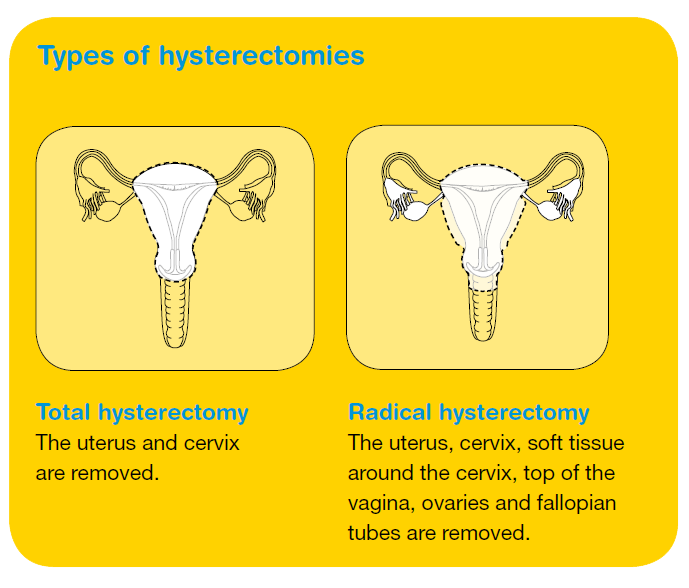
Advances in the Treatment of Cervical Cancer - Cancer ... from conquer-magazine.com Hysterectomy is the removal of uterus and cervix. Most cervical cancers are squamous cell carcinomas and adenocarcinomas. This is done to defeat the very cause of cervical cancer. Almost all cervical cancer is caused by infection with human papilloma virus (hpv). Causes symptoms treatment and prevention. This type of cervical cancer begins in the thin, flat cells (squamous cells) lining the outer part of the cervix, which projects into the vagina. Cervical cancer is the fourth most common cancer among women globally, with an estimated 570,000 new cases in 2018. The development of normal human cells mostly depends on the information contained in the cells' dna.
This is the biggest risk factor for cervical cancer.
The other main risk factor for cervical cancer is smoking. In addition, several risk factors have been identified that increase the odds that a woman might develop cervical cancer (see risk factors for cervical cancer). For the earliest stages of cervical cancer, either surgery or radiation combined with chemo may be used. Cervical cancer was once a leading cause of death among u.s. Treatments include surgery, chemotherapy, and radiation therapy. This is a type of cancer that occurs in the cells of the cervix — the narrow part of the lower uterus that connects to the vagina. This is done to defeat the very cause of cervical cancer. This type of cervical cancer begins in the thin, flat cells (squamous cells) lining the outer part of the cervix, which projects into the vagina. Cervical cancer is treated in several ways. The treatment team for a woman with cervical cancer will include a gynecologic oncologist (doctor who specializes in cancers of women's reproductive organs). It's often referred to as the neck of the womb or the entrance of the womb. Chemo (by itself) is often used to treat advanced cervical cancer. Once cervical cancer moves beyond this layer, it invades nearby tissue.
This is done to defeat the very cause of cervical cancer. Causes symptoms treatment and prevention. Hysterectomy is the removal of uterus and cervix. Most cervical cancers are squamous cell carcinomas and adenocarcinomas. Cervical cancer was once a leading cause of death among u.s.
Cervical cancer treatment | Cancer Council Victoria from www.cancervic.org.au This includes the uterus, vagina, bladder, and rectum. Most cervical cancers are squamous cell carcinomas and adenocarcinomas. The treatment team for a woman with cervical cancer will include a gynecologic oncologist (doctor who specializes in cancers of women's reproductive organs). For the earliest stages of cervical cancer, either surgery or radiation combined with chemo may be used. Depending on the type and stage of your cancer, you may need more than one type of treatment. This is a type of cancer that occurs in the cells of the cervix — the narrow part of the lower uterus that connects to the vagina. Hpv can damage the cells that line the cervix. As cancer treatments are often complex, hospitals use multidisciplinary teams (mdts) to treat cervical cancer and tailor the treatment programme to the individual.
The main types of cervical cancer are:
This is done to defeat the very cause of cervical cancer. This is the biggest risk factor for cervical cancer. Once cervical cancer moves beyond this layer, it invades nearby tissue. Most cervical cancers are squamous cell carcinomas and adenocarcinomas. The type of cervical cancer that you have helps determine your prognosis and treatment. Depending on the type and stage of your cancer, you may need more than one type of treatment. The main types of cervical cancer are: The cancer might invade other tissues and organs. Almost all cervical cancer is caused by infection with human papilloma virus (hpv). This type of cervical cancer begins in the thin, flat cells (squamous cells) lining the outer part of the cervix, which projects into the vagina. Treatments include surgery, chemotherapy, and radiation therapy. It is different from cancer that begins in other parts of the uterus and requires different treatment. Mdts are made up of a number of different specialists who work together to make decisions about the best way to proceed with your treatment.
Whether you or someone you love has cancer, knowing what to expect can help you cope. For later stages, radiation combined with chemo is usually the main treatment. Causes symptoms treatment and prevention. Cervical cancer was once a leading cause of death among u.s. Hpv can damage the cells that line the cervix.
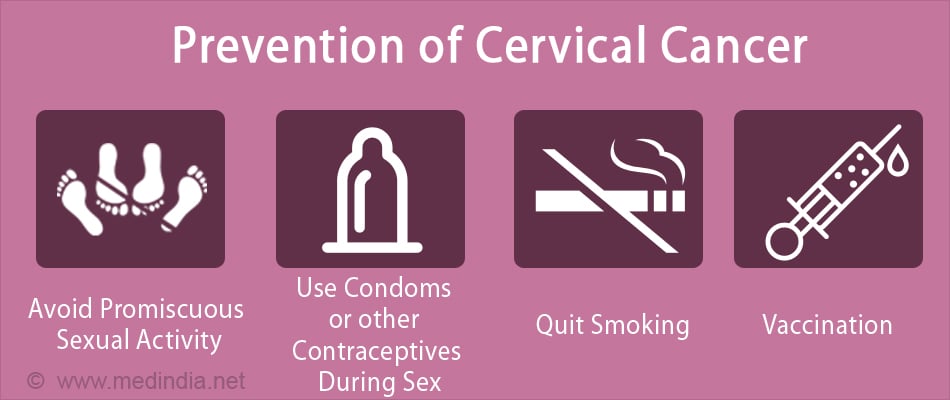
Treatment & Prevention of Cervical Cancer from images.medindia.net Cervical cancer is the fourth most common cancer among women globally, with an estimated 570,000 new cases in 2018. Surgery, radiation, chemotherapy or a combination of the three may be used. This includes the uterus, vagina, bladder, and rectum. Mdts are made up of a number of different specialists who work together to make decisions about the best way to proceed with your treatment. Cervical cancer was once a leading cause of death among u.s. Using special medicines to shrink or kill the cancer. It occurs most commonly in women over 30 years. The other main risk factor for cervical cancer is smoking.
The type of cervical cancer that you have helps determine your prognosis and treatment.
Cervical cancer does not reach its final stage suddenly as these cells take a very long time to turn into the cancerous cell completely. Whether you or someone you love has cancer, knowing what to expect can help you cope. The other main risk factor for cervical cancer is smoking. Hysterectomy is usually performed on women above the age of 35 years. For the earliest stages of cervical cancer, either surgery or radiation combined with chemo may be used. Causes of cervical cancer most of the cases of cervical cancer is due to human papilloma viral infection, which is a sexually transmitted disease. Cervical cancer is the fourth most common cancer among women globally, with an estimated 570,000 new cases in 2018. Chemo (by itself) is often used to treat advanced cervical cancer. Treatment for cervical cancer depends on several factors, such as the stage of the cancer, other health problems you may have and your preferences. Hysterectomy is the removal of uterus and cervix. This is done to defeat the very cause of cervical cancer. Learn the causes, treatment options, prevention, and screening recommendations. It is different from cancer that begins in other parts of the uterus and requires different treatment.